

Looking for garden design ideas that feel real, not staged. This guide shares simple layouts you can copy for small courtyards, patios, front yards, and family backyards.
Each section matches a specific scene, like pea gravel paths with terracotta pots, raised planters with a play lawn, or a pergola that makes shade in hot weather. You will get clear steps plus small “how to style it” notes you can use right away.
These ideas focus on easy care choices, smart storage, and lived-in details that make a space feel warm, like a watering can by the door or a mug on the table. Use them to plan your layout, pick plants, and set up seating that works every day.
At the end, you will also find a quick FAQ to help you choose materials, plants, and budgets for your yard size and climate.
1 Small Urban Courtyard Retreat
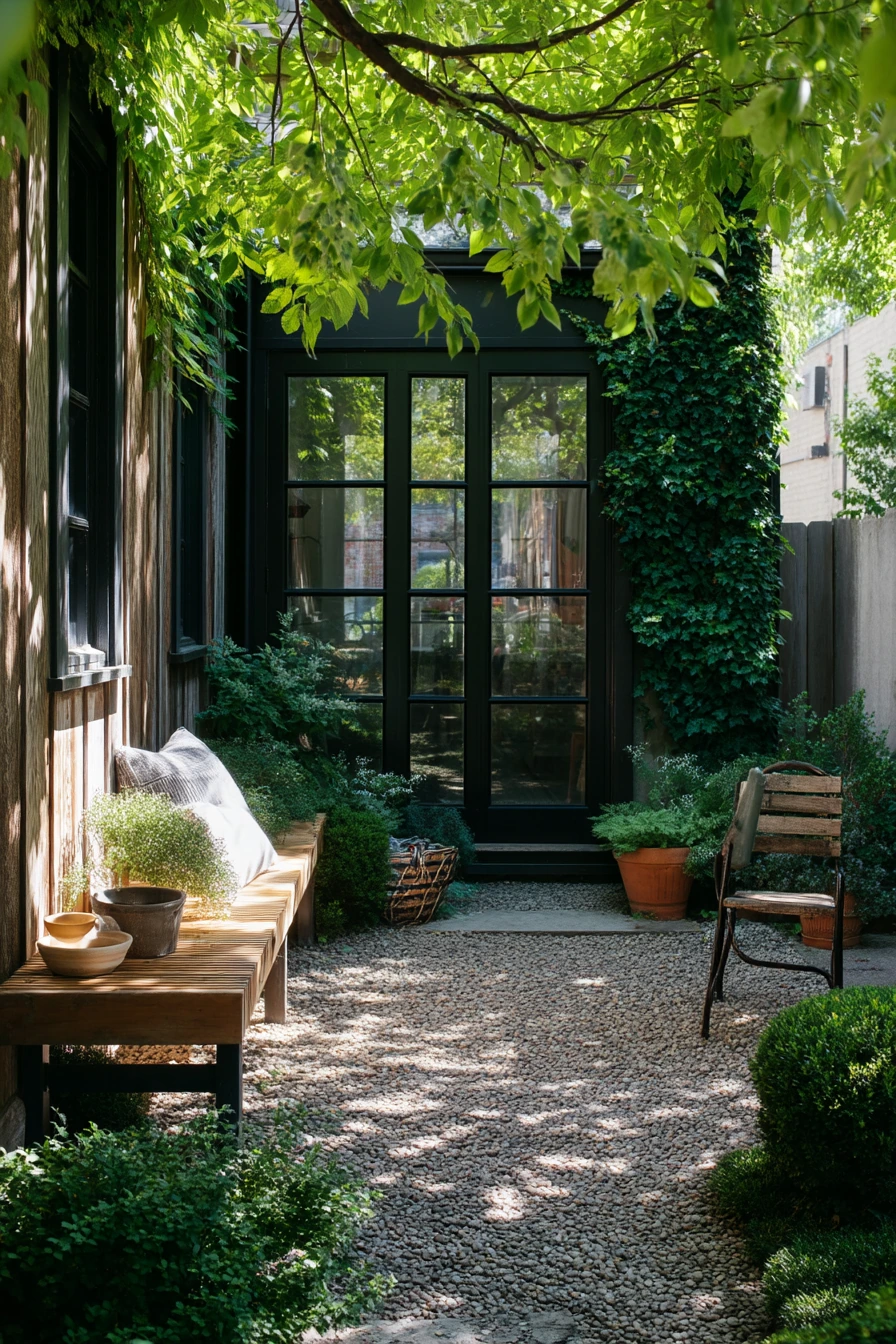
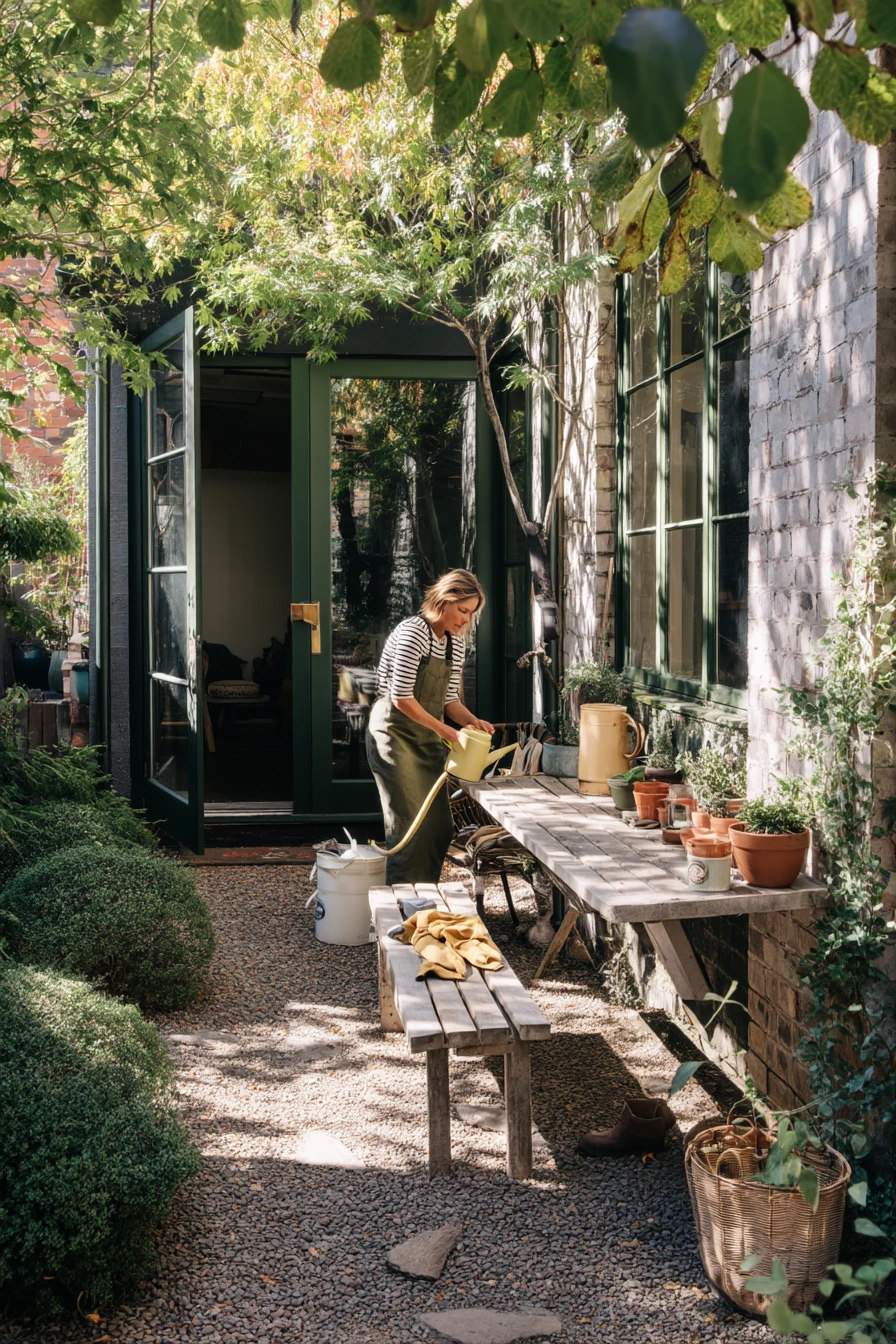
A compact urban courtyard can still feel full and calm when you keep the layout tight and clear. Start with pea gravel paths to stop mud and to make the space feel wider. Add clipped boxwood for structure, then soften it with terracotta pots filled with herbs you use often.
Keep seating slim so it does not block the walkway. A narrow cedar bench works well against a wall, and a vintage bistro chair can tuck into a corner. For a lived-in feel, place a watering can near the herbs, rest gardening gloves on the chair, and set a ceramic mug on a small side surface.
To style it, mix heights. Use one tall pot for a small shrub, then lower pots for basil, thyme, and chives. A folded throw on the bistro chair adds comfort for cool mornings. If you have kids, use a toy basket by the back door so the courtyard stays neat without feeling strict.
- Use pea gravel with edging to keep stones from spreading.
- Group terracotta pots in odd numbers for a natural look.
- Plant herbs close to the door so you pick them often.
- Choose one wood tone (like cedar) for benches or shelves.
- Add one small “daily item” (mug, gloves) to make it feel lived in.
Pro Design Tip: Leave a clear 36-inch path from the door to the main seat so the courtyard feels open and easy to use.
Budget Considerations: Terracotta and gravel are usually affordable; buy herbs as small starts and let them fill in instead of buying large plants.
2 Family-Friendly Backyard Zoning
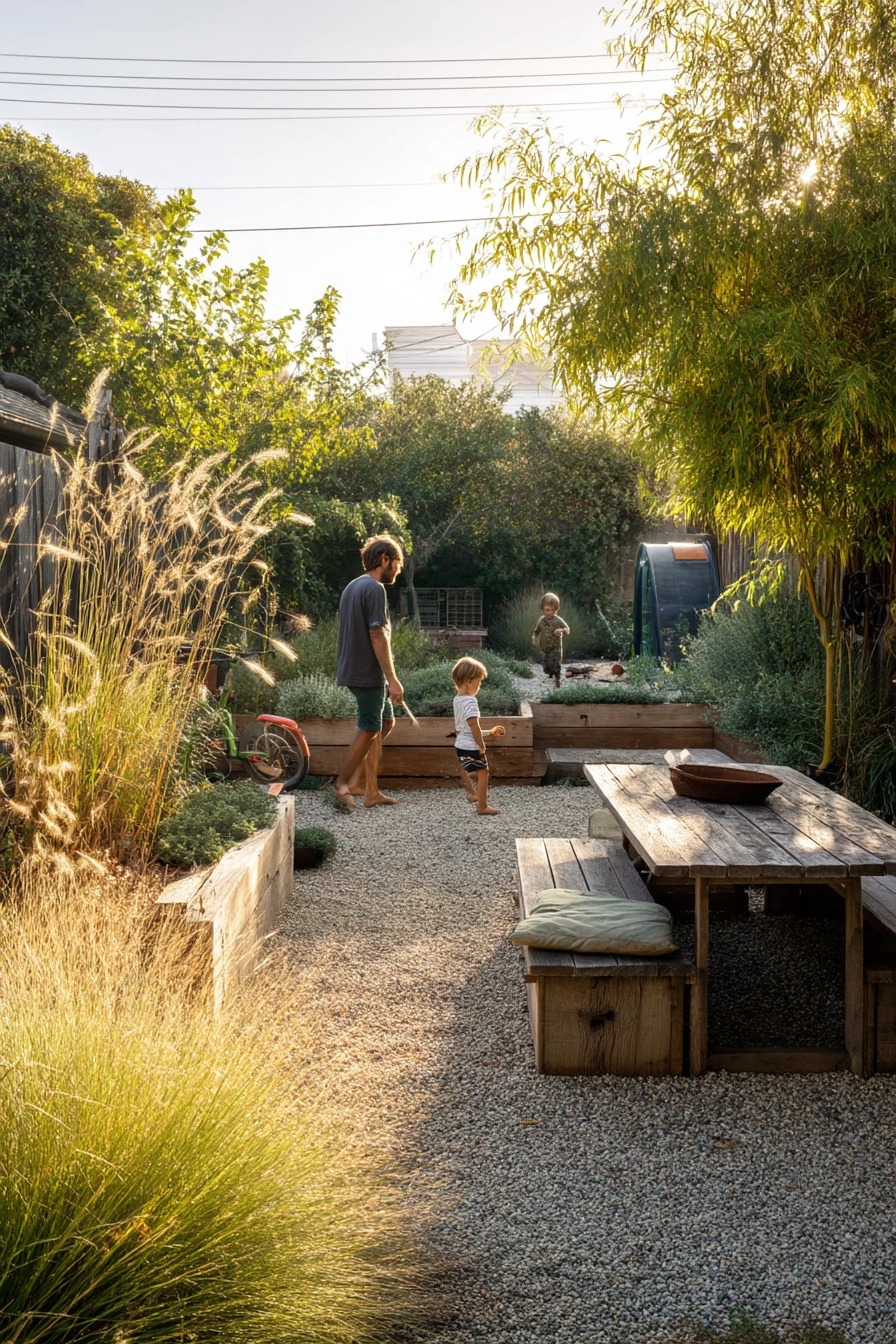

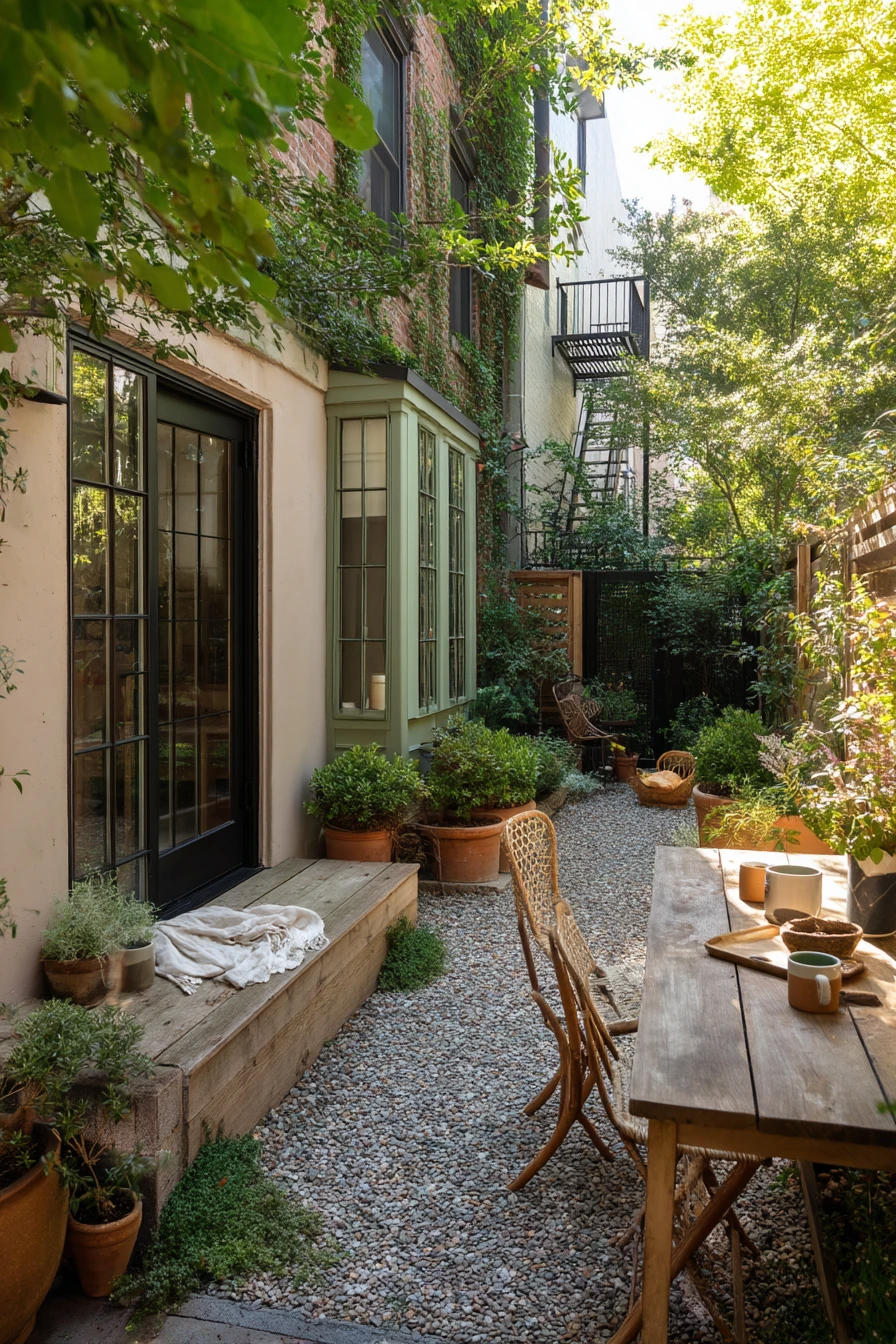
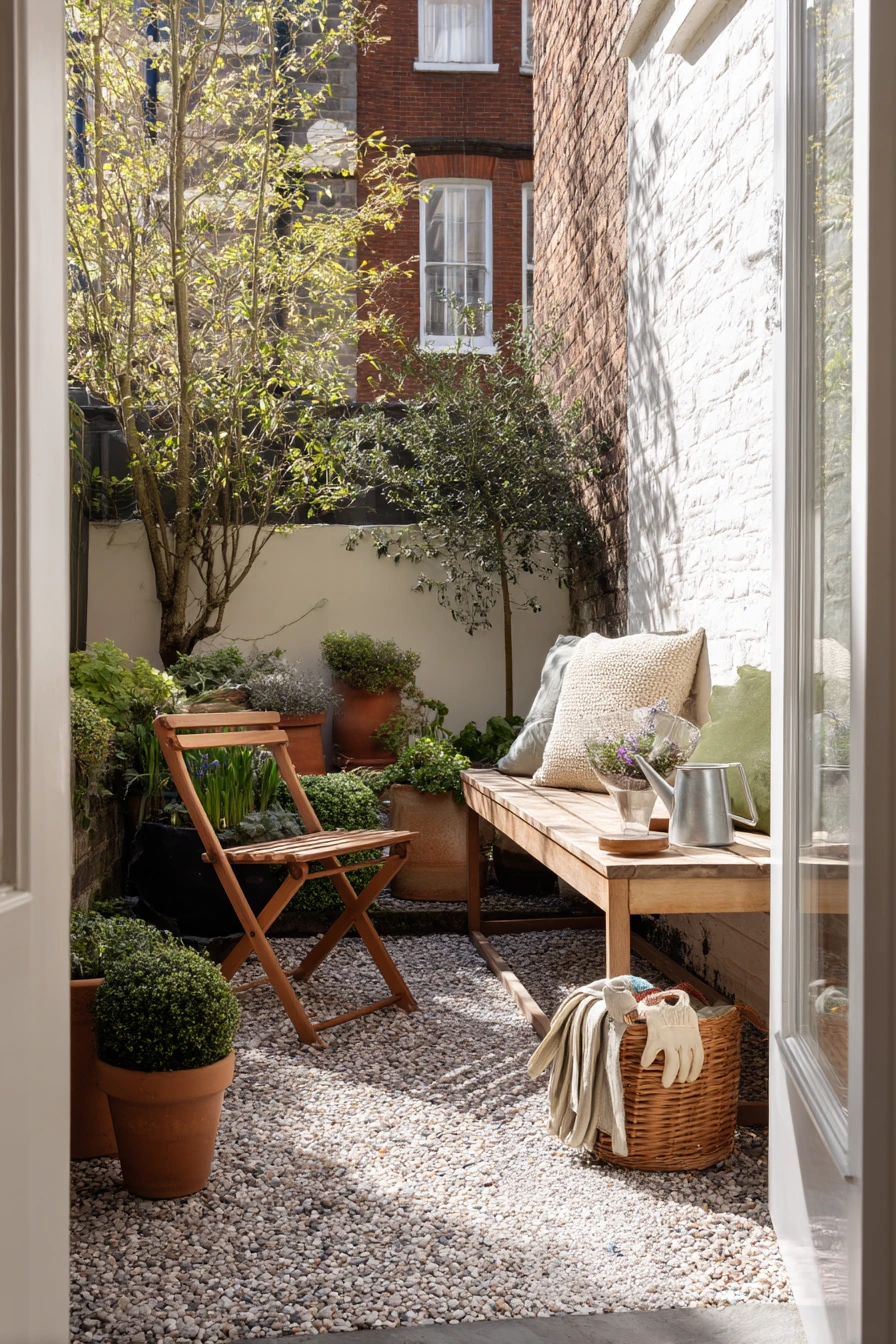
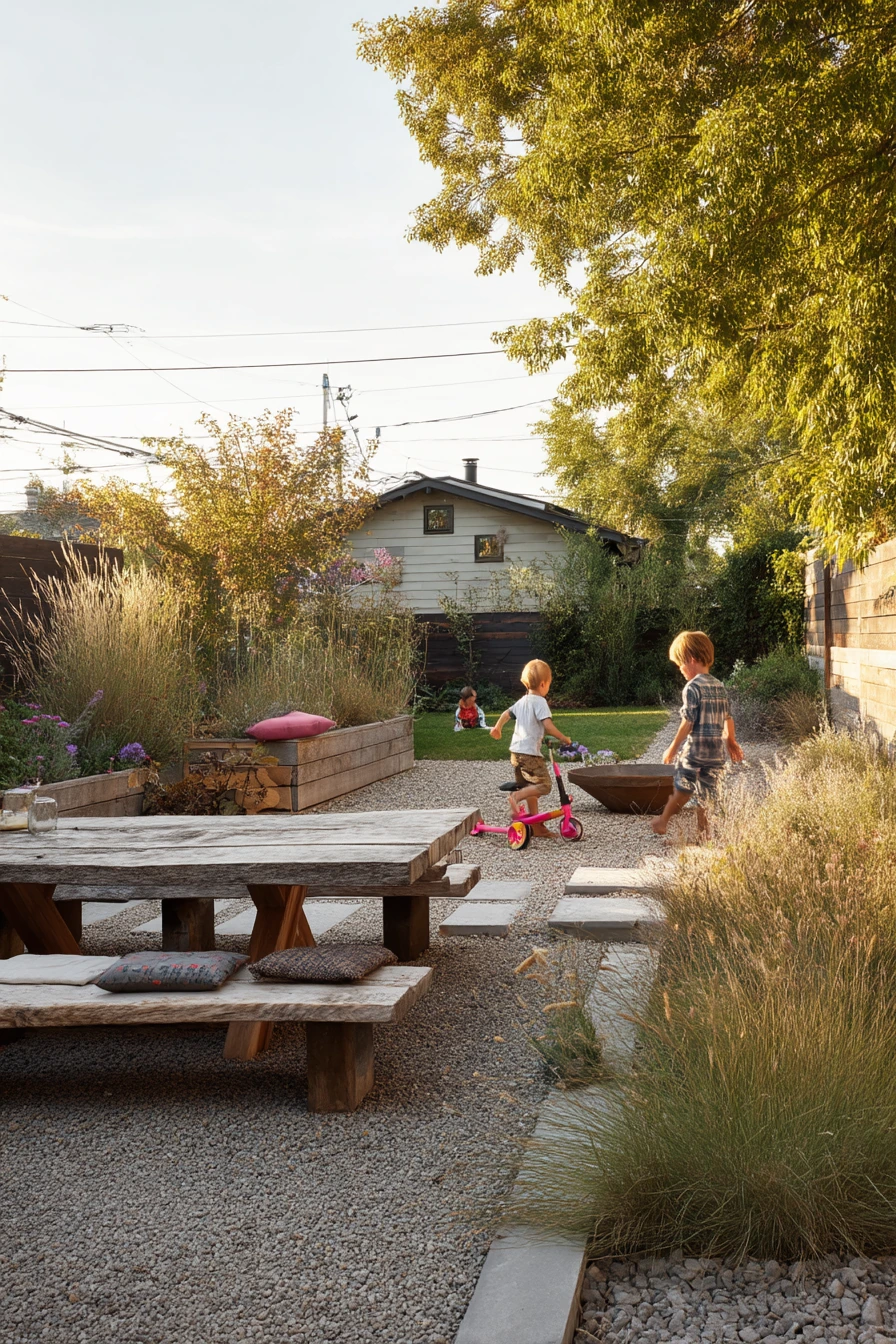
A family backyard garden works best when it blends work zones and play zones. Use raised planters for herbs and easy vegetables, then keep a small patch of lawn open for kids. A low herb border can guide foot traffic without feeling like a fence.
Choose durable surfaces that handle daily life. Gravel edging along beds helps define lines and reduces trimming time. Add native grasses for movement and low water use. For meals outside, a weathered dining table is practical because it hides wear and still looks good.
To style the space, keep a simple fire bowl near the table so it feels like a gathering spot in late afternoon light. Add a cushion you do not mind getting wrinkled, and keep a water glass on the table so it looks used, not perfect. If you have chalk marks on pavers or a scooter near the fence, let those signs of real life stay. They make the garden feel welcoming.
- Place raised planters near a hose or water source.
- Keep lawn small and simple so it is easy to maintain.
- Use native grasses to fill corners and soften fences.
- Set the fire bowl on a stable base like pavers or gravel.
- Store outdoor toys in one spot to reduce clutter.
Pro Design Tip: Keep the table and fire bowl on the same “hardscape island” so chairs stay steady and the space feels planned.
Budget Considerations: Raised beds can be pricey; start with one or two and add more later, or use stock tanks or simple wood frames.

3 Renter-Friendly Patio Upgrade
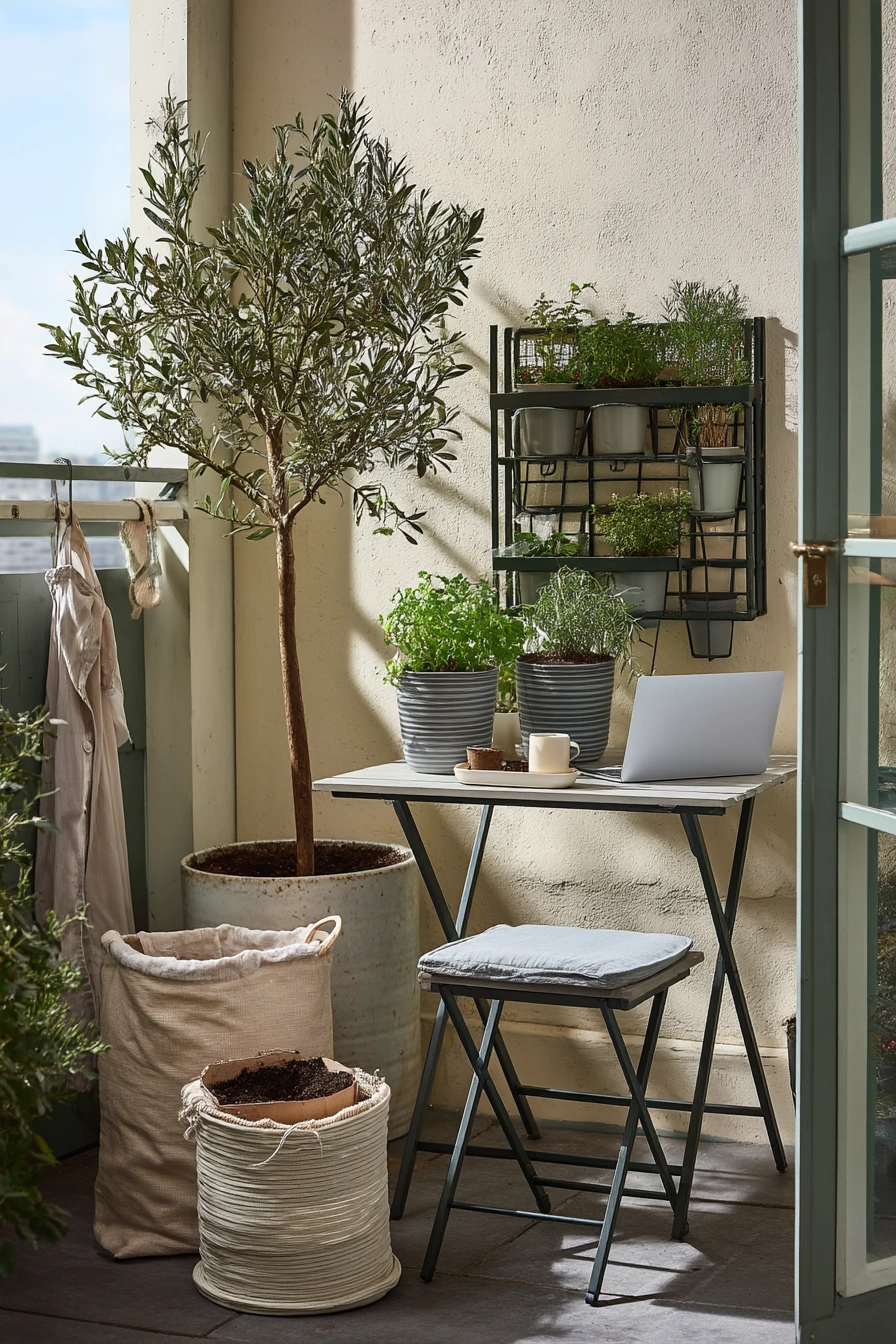
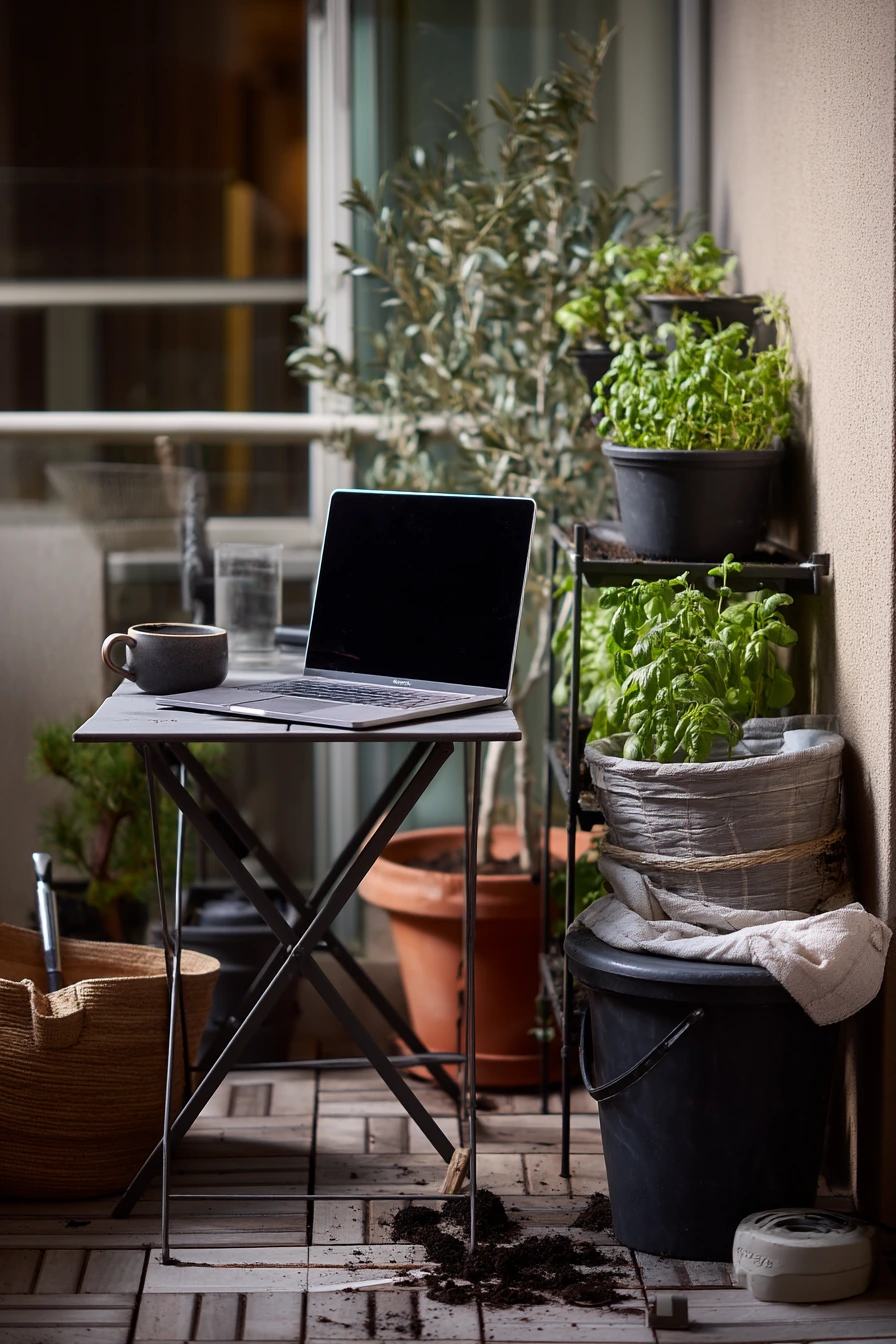
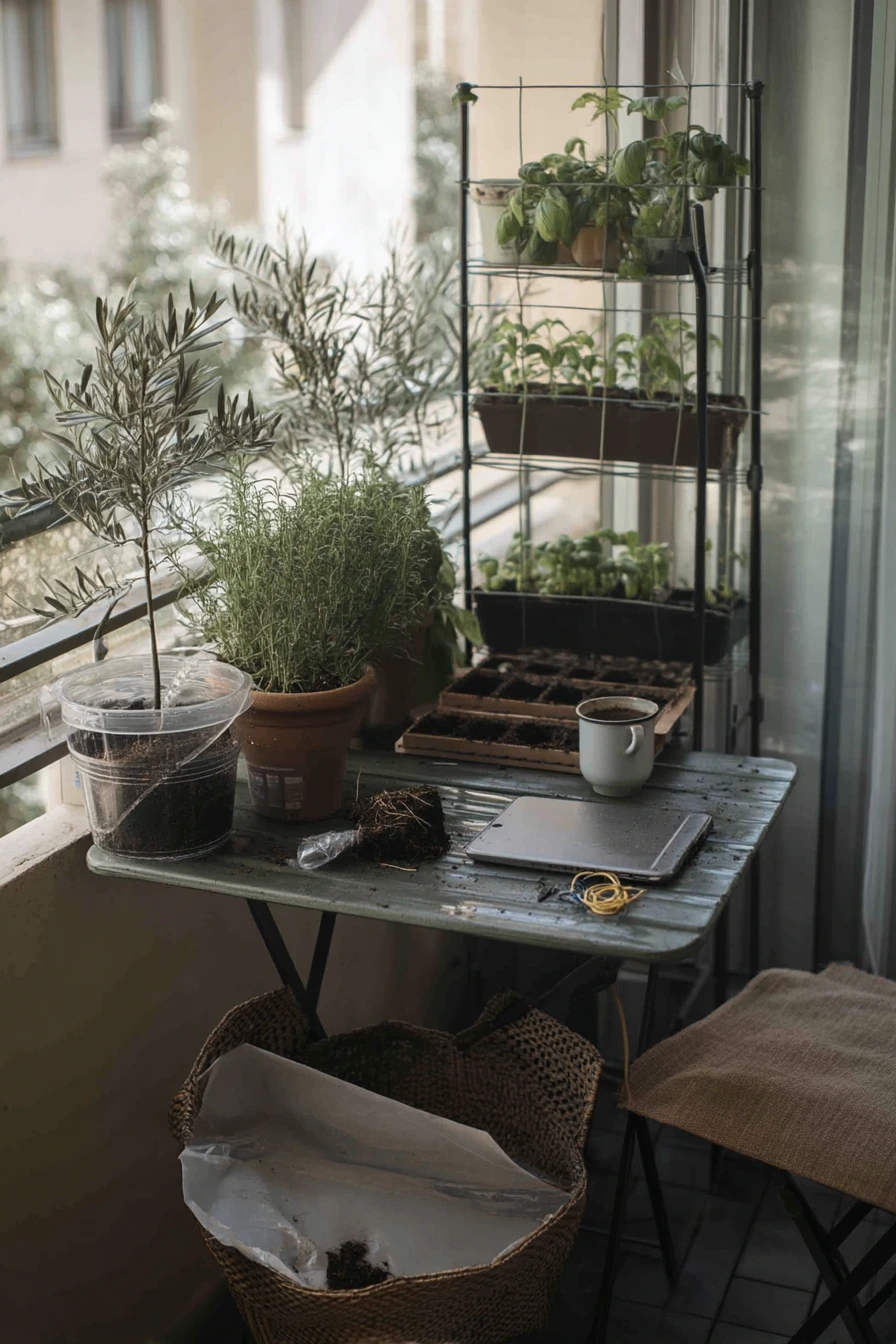
A renter-friendly patio garden should be easy to move and easy to remove. Build the look with pots, shelves, and screens instead of permanent beds. Potted olive trees give height and privacy, and they look good in simple containers.
Use detachable trellis screens to add green walls without drilling into fences. A narrow metal shelf can hold basil, rosemary, and seedlings without taking floor space. Stackable stools are smart because they store away when you need room for laundry, bikes, or guests.
For a real, lived-in feel, treat the patio like an outdoor room. Keep a small table for repotting and daily tasks, and do not worry if there is potting soil on the floor after you work. A laptop, charging cable, and a mug ring on a tray fit the way many renters use a terrace between chores and work. To style it, repeat one material, like black metal, across stools, shelf, and planters so the space feels pulled together.
- Pick lightweight pots so you can move them when needed.
- Use saucers or pot feet to protect the terrace surface.
- Choose herbs that handle containers, like thyme and rosemary.
- Add a foldable mat for repotting to catch soil.
- Use one tall plant and several small herbs for balance.
Pro Design Tip: Create a “green backdrop” by lining tall pots along one edge, then keep the center open for seating and daily use.
Budget Considerations: Olive trees can cost more; swap in bay laurel or a hardy evergreen in a pot for a similar shape at a lower price.

4 Low-Maintenance Native Plant Border

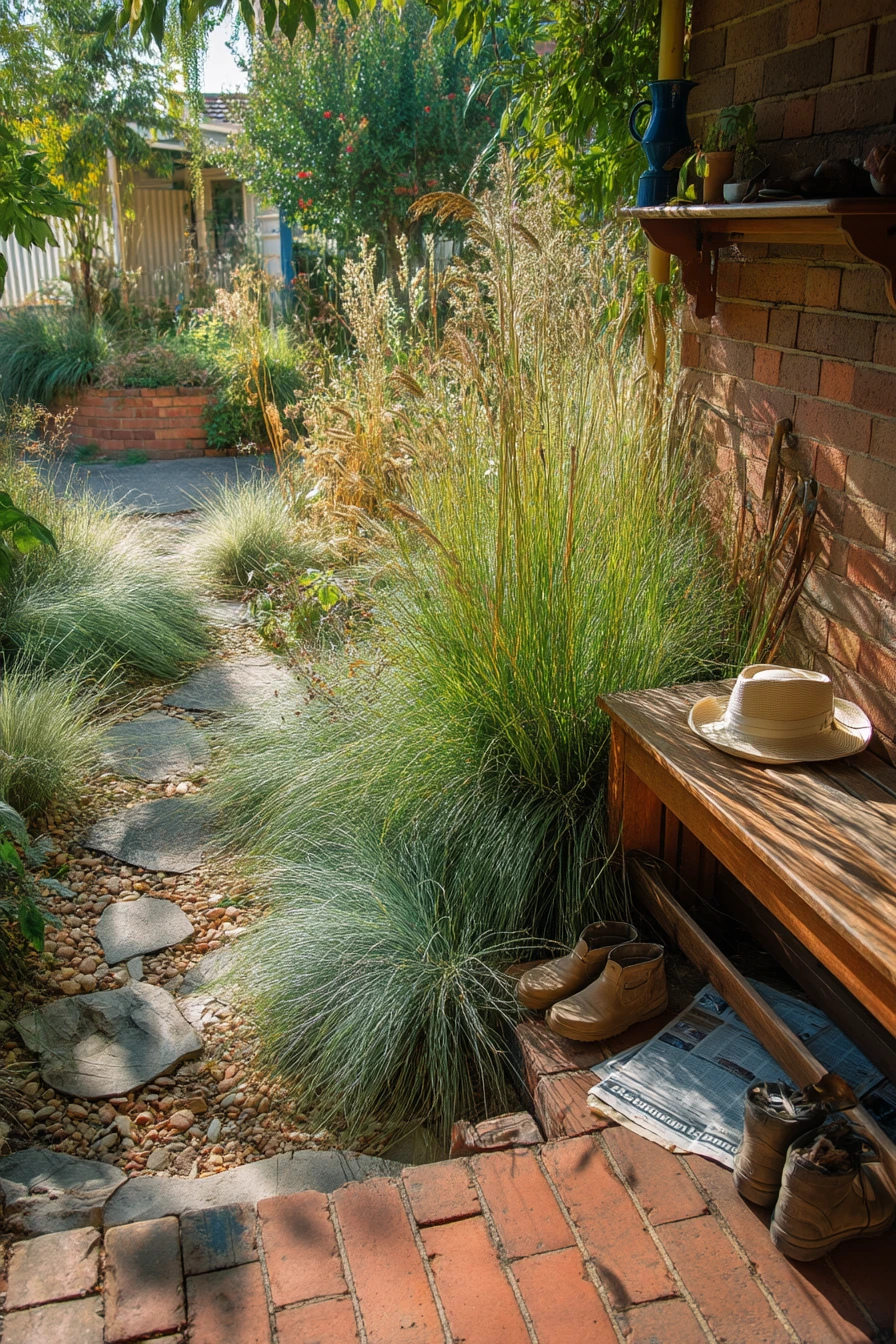
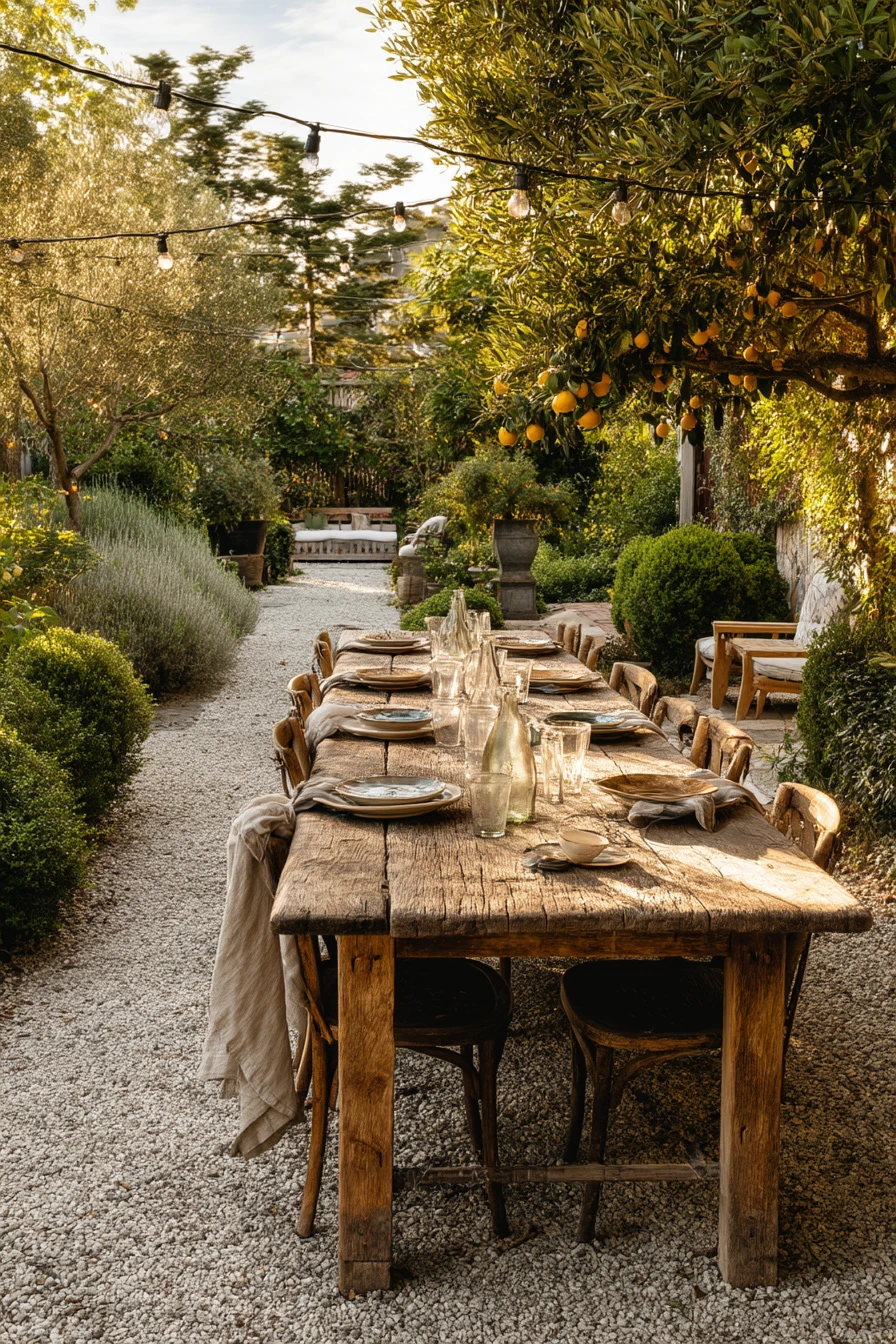
A front garden sets the tone for the whole home, so keep it tidy but not stiff. A curving brick path makes the entry feel friendly and guides visitors without needing lots of extra planting. Use pebble mulch to reduce weeds and hold moisture.
For low-maintenance planting, choose native perennials and ornamental grasses that fit your climate. Layer greens with different leaf shapes, then leave some seed heads for a seasonal look. This also supports birds and helpful insects. Keep tools close, like pruning shears on a wall hook, so small jobs do not turn into big chores.
To style the entry, add one simple timber mail shelf or small bench by the door. A sunhat on the bench and a newspaper on the step feel natural and homey. If your shoes get muddy, a small tray keeps the mess contained. The key is a relaxed look that still feels cared for, with plants that do not need daily attention.
- Use pebble mulch around plants to cut down on weeding.
- Pick 3 to 5 native species and repeat them for a clean look.
- Edge the brick path so mulch stays in place.
- Trim grasses once or twice a year, not every week.
- Add a small bench or shelf to make the entry useful.
Pro Design Tip: Plant in drifts (small groups) instead of single plants so the front yard reads as one clear design from the street.
Budget Considerations: Native plants are often cheaper in small sizes; buy plugs or small pots and give them one season to fill in.

5 Dining Garden for Entertaining


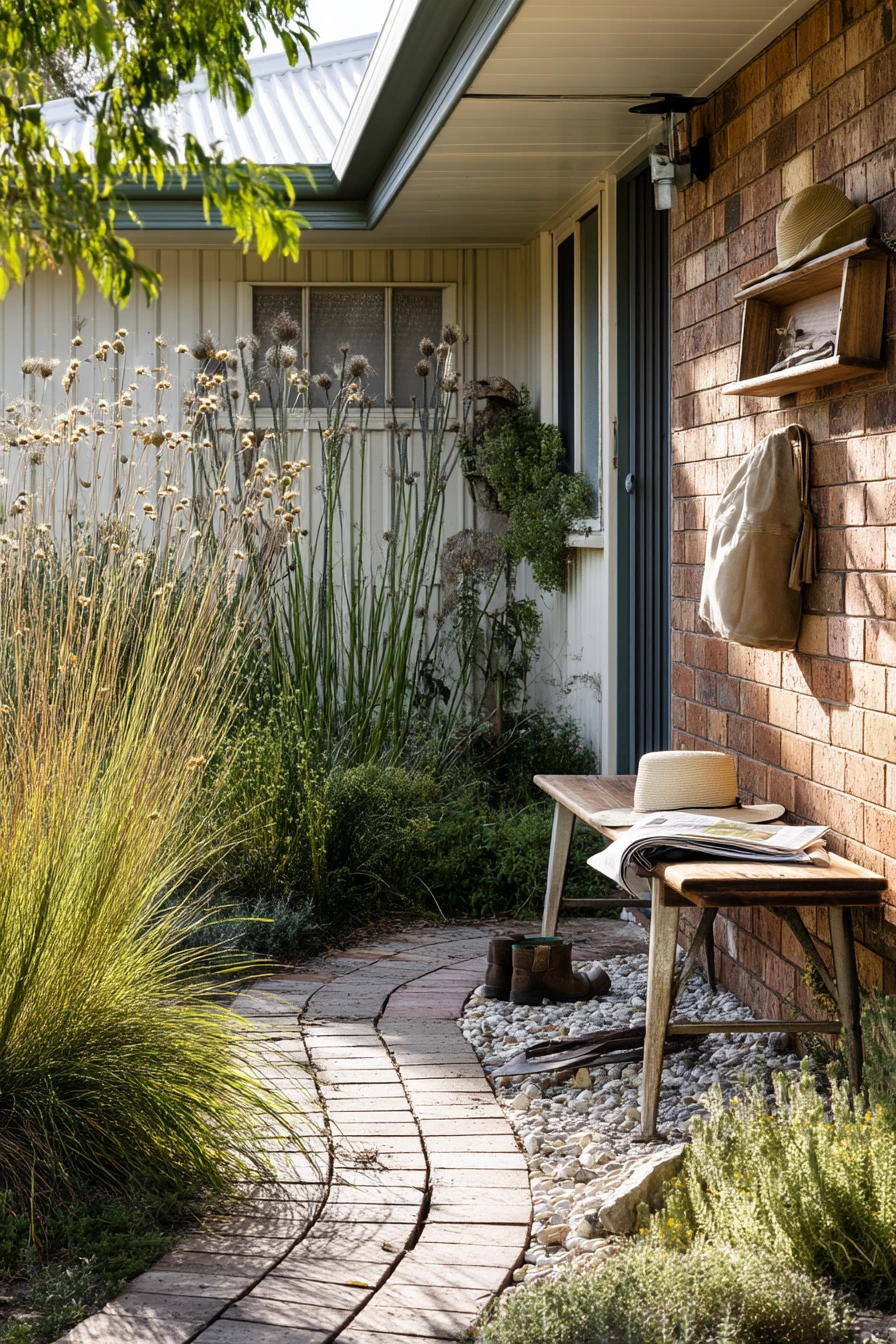
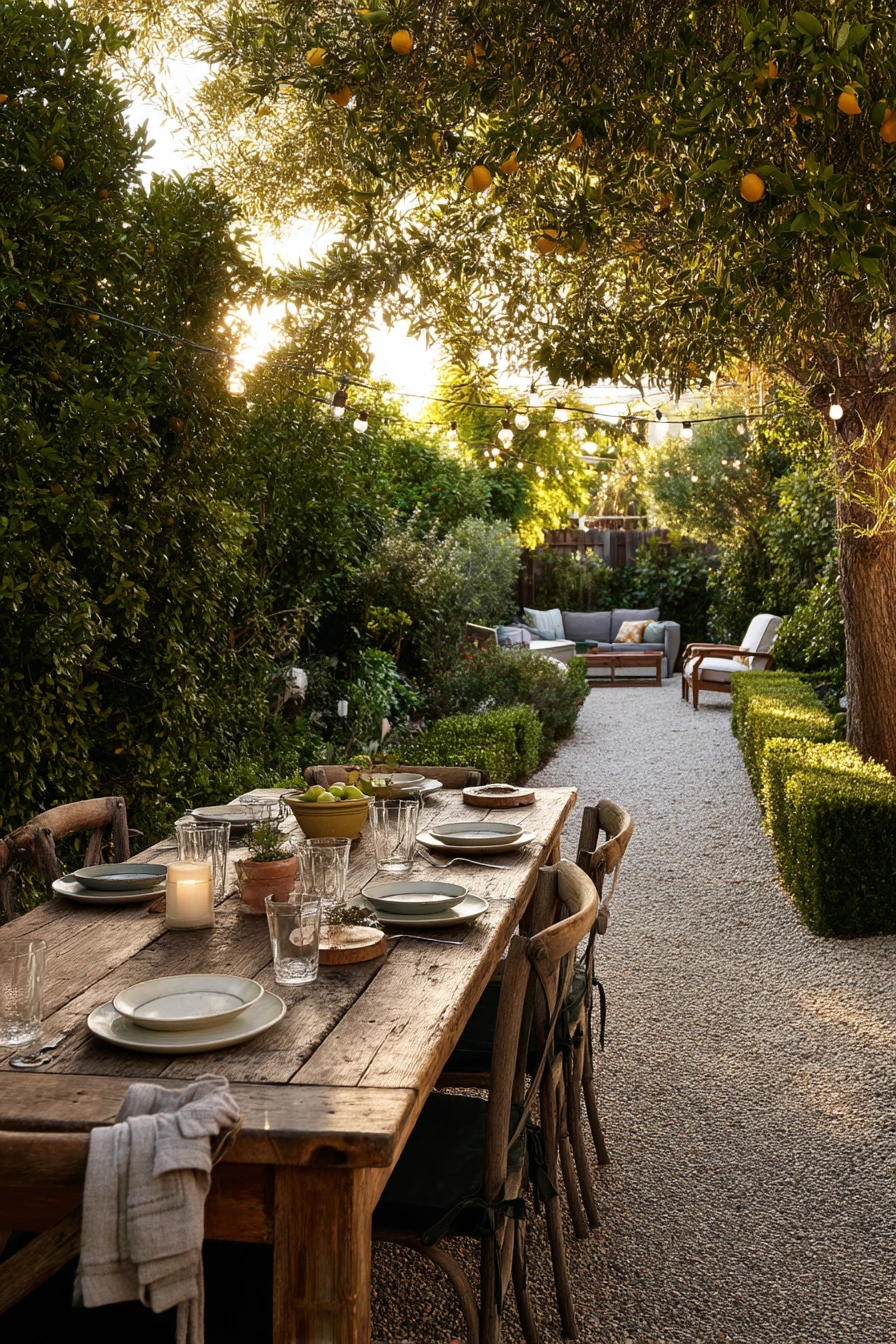
An entertaining backyard garden should move people through the space with ease. Start with a long farmhouse table as the main anchor, then add a narrow gravel path that leads to a lounge corner. This makes the yard feel bigger and gives guests a reason to explore.
Use plants that add scent and softness near seating. Jasmine near a fence or pergola adds fragrance, while potted citrus brings color and structure. Clipped hedges can frame the dining area and help it feel like an outdoor room. String lights overhead give warm light without heavy fixtures and help the table stay usable after sunset.
To style it, keep the table setting simple and real. Half-filled water glasses, a linen napkin draped over a chair, and a candle stub on the table make it feel welcoming. In the lounge corner, add a small side table for a deck of cards and a place to set drinks. Choose outdoor fabrics that you can wash, and keep one basket nearby for quick cleanup.
- Hang string lights in a straight line or gentle zigzag for order.
- Use gravel paths to reduce muddy spots near seating.
- Group potted citrus in pairs for a balanced look.
- Keep hedge lines low so the space stays open.
- Add a side table in each seating zone for comfort.
Pro Design Tip: Plan lighting in layers: string lights for glow, plus one small lantern or candle on tables for faces and food.
Budget Considerations: Citrus and hedging can add up; use smaller pots at first and grow them on, or mix in affordable evergreen shrubs.
6 Courtyard Garden With Privacy Layers

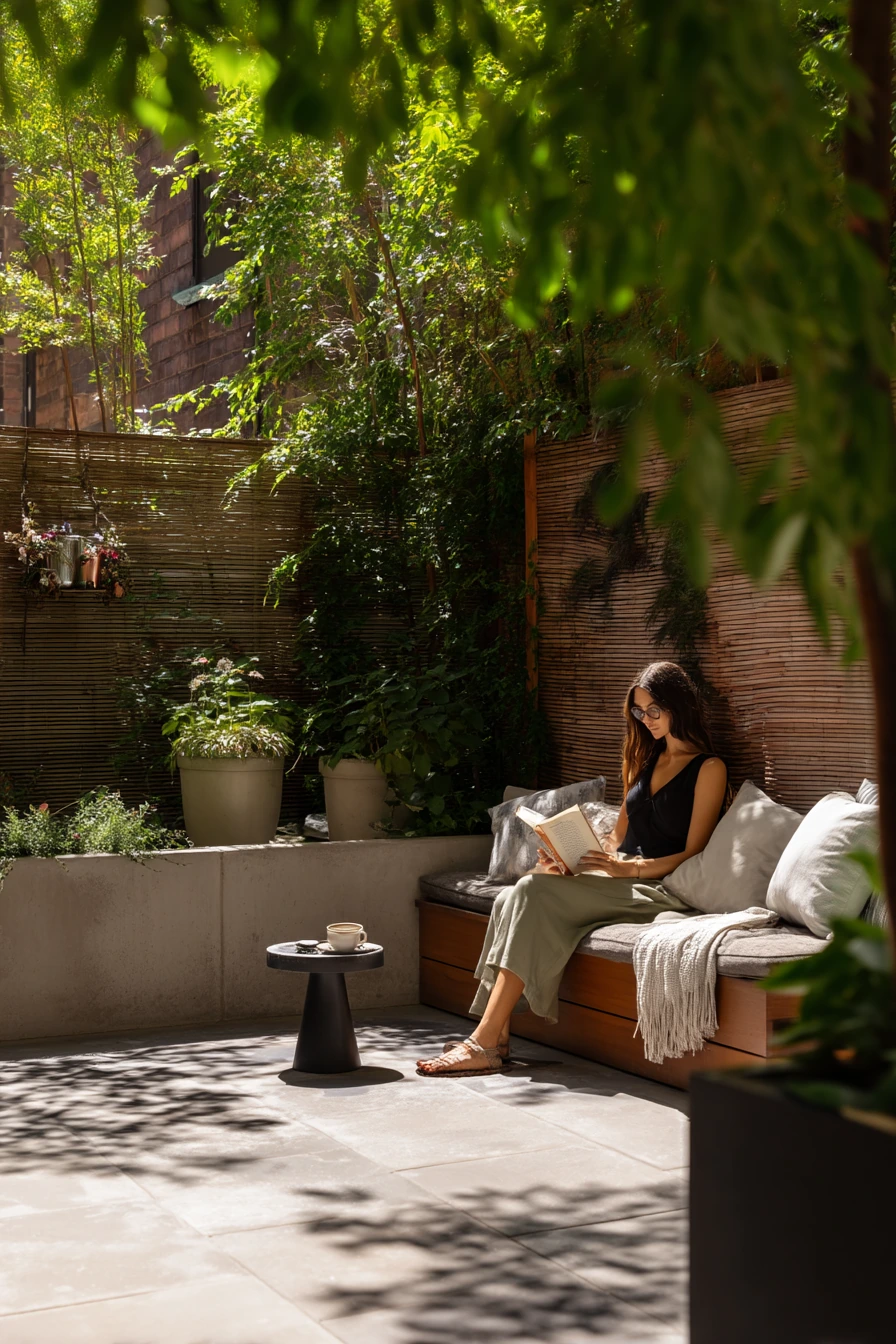
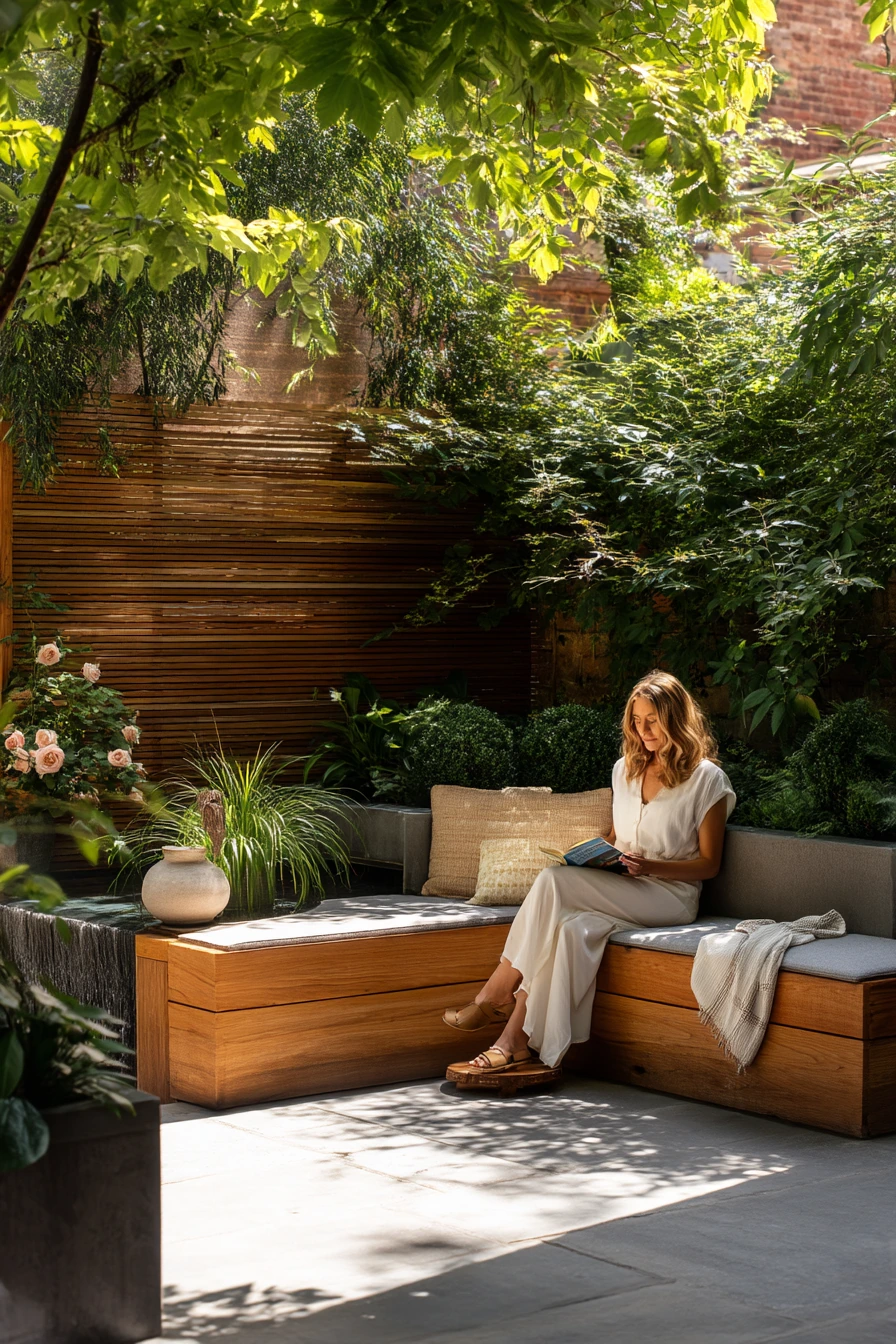
A secluded courtyard garden is about privacy, quiet sound, and comfort. Layer your screening so it does not feel like a hard wall. Bamboo screens give fast coverage, and climbing roses add a softer layer over time. Tall containers can block views while keeping everything movable.
Add one small water feature or compact rill to cover street noise and make the courtyard feel cooler. Place it near a teak bench so you hear water while you sit. Keep the furniture simple and well placed, with a clear spot for a cup of tea and a book.
To style this courtyard, think like a reading nook. A folded throw with a soft crease, reading glasses, and a paperback make the space feel used and calm. If you like to kick off your shoes, keep a small mat near the bench. Use plants with different textures, like glossy leaves, fine grasses, and rose blooms, so the space feels rich even when it is small.
- Use two types of privacy, like screens plus tall pots.
- Choose climbing roses that fit your sun level.
- Place the water feature where it can be serviced easily.
- Keep seating out of the main walkway to avoid crowding.
- Add one soft textile, like a throw, for comfort.
Pro Design Tip: Hide the base of screens with mid-height plants so the courtyard looks layered instead of flat.
Budget Considerations: Water features range widely; a small recirculating fountain kit is usually cheaper than a built-in option.

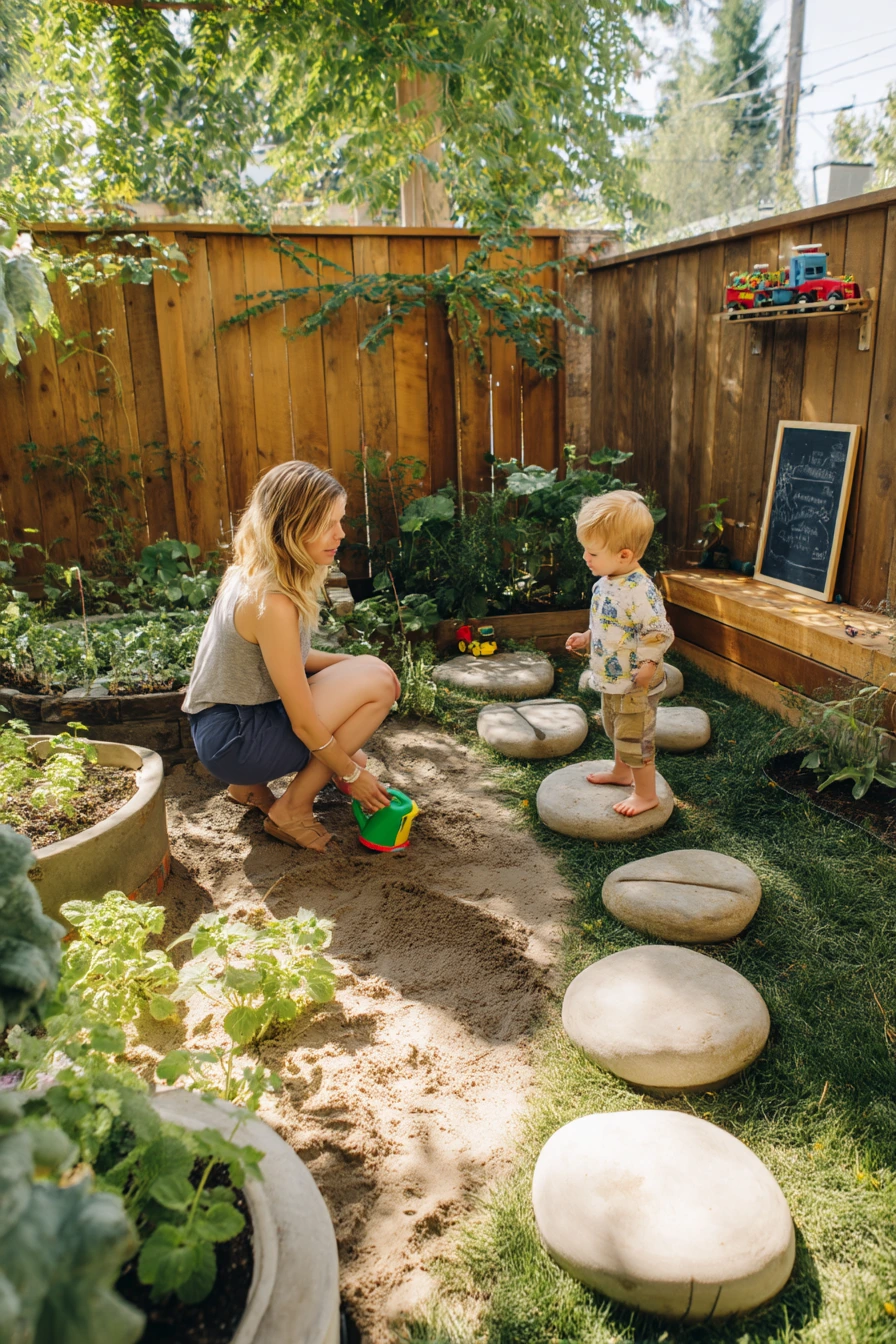
7 Kid-Safe Play Garden
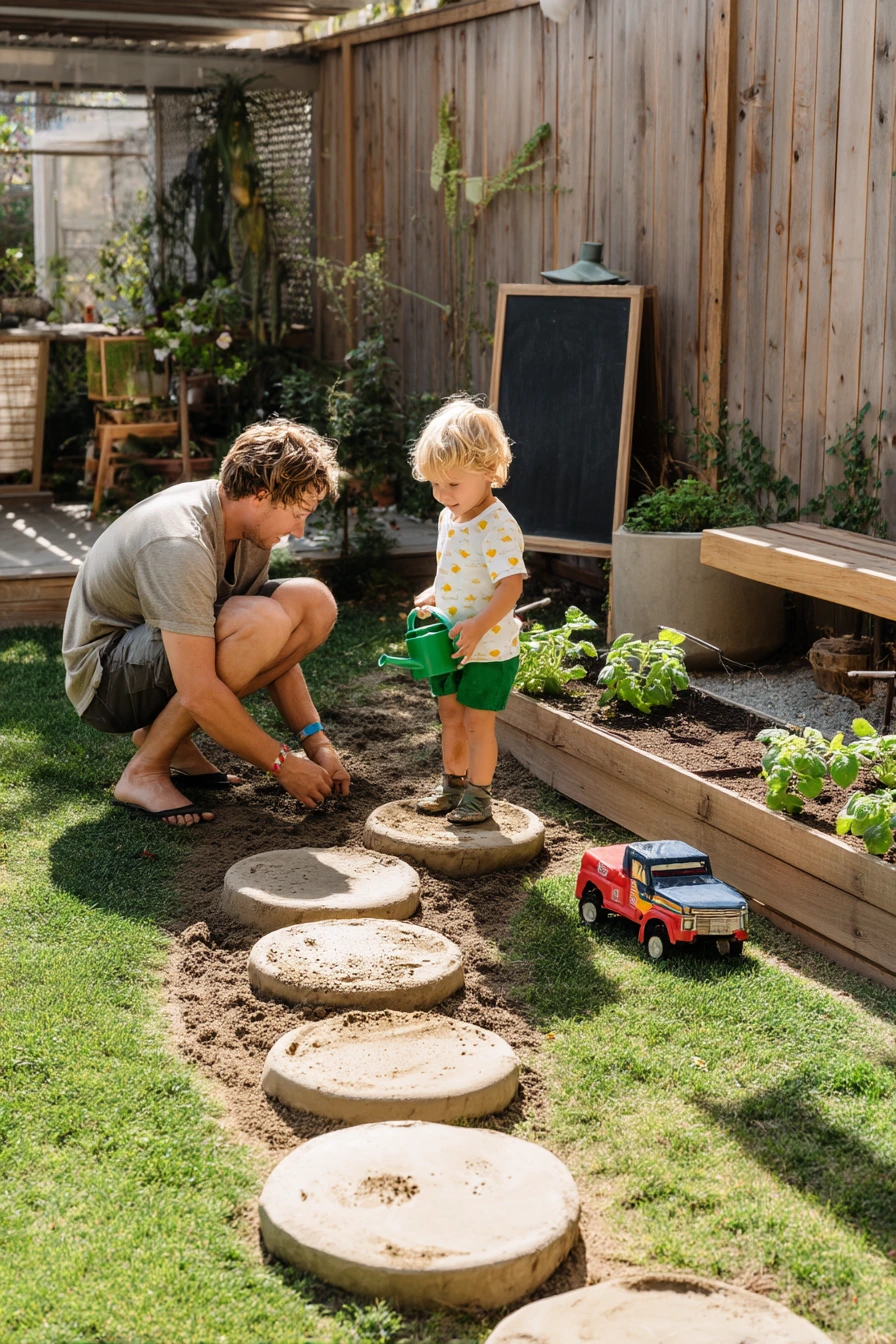

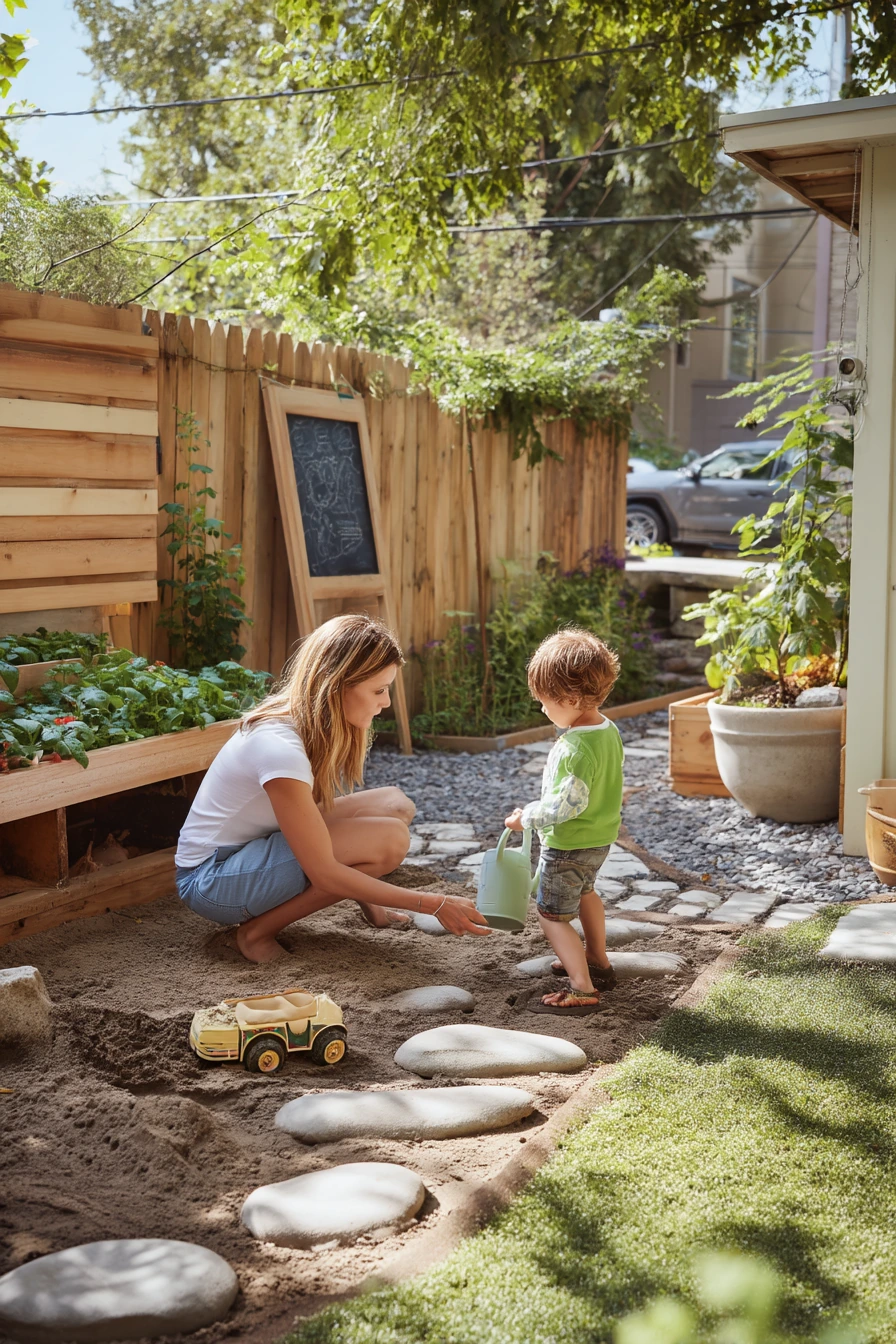
A kid-safe garden design can still look good when the layout supports both play and planting. Start with rounded stepping stones to guide movement and reduce running through beds. Add sturdy raised beds for strawberries and mint so kids can pick and smell plants without damaging roots.
A shallow sand area gives a clear place for digging that is not your planting soil. Place it where you can see it from the main seat or kitchen window. A small chalkboard by the fence adds a simple activity and turns a blank wall into something useful.
To style it, let the garden show real family life. A toy truck in the grass, sunscreen on the bench, and a snack bowl on a side table are normal and practical. Keep tools in a lidded bin so kids do not grab sharp items. Choose planters with smooth edges, and avoid thorny plants near paths. Dirt smudges on a planter are fine. The goal is a garden that invites kids in while still keeping clear boundaries.
- Use rounded stones to avoid sharp corners and trips.
- Plant kid-friendly crops like strawberries, peas, and mint.
- Keep sand contained with a simple border.
- Store small toys in one basket to reduce mess.
- Add a handwashing spot or wipes near the door.
Pro Design Tip: Design sight lines so a parent can see the play zone from the main seat or doorway without moving furniture.
Budget Considerations: Raised beds can be built from basic lumber; seal the wood for longer life, or use simple grow bags as a low-cost start.
8 Shade Garden for Hot Climates
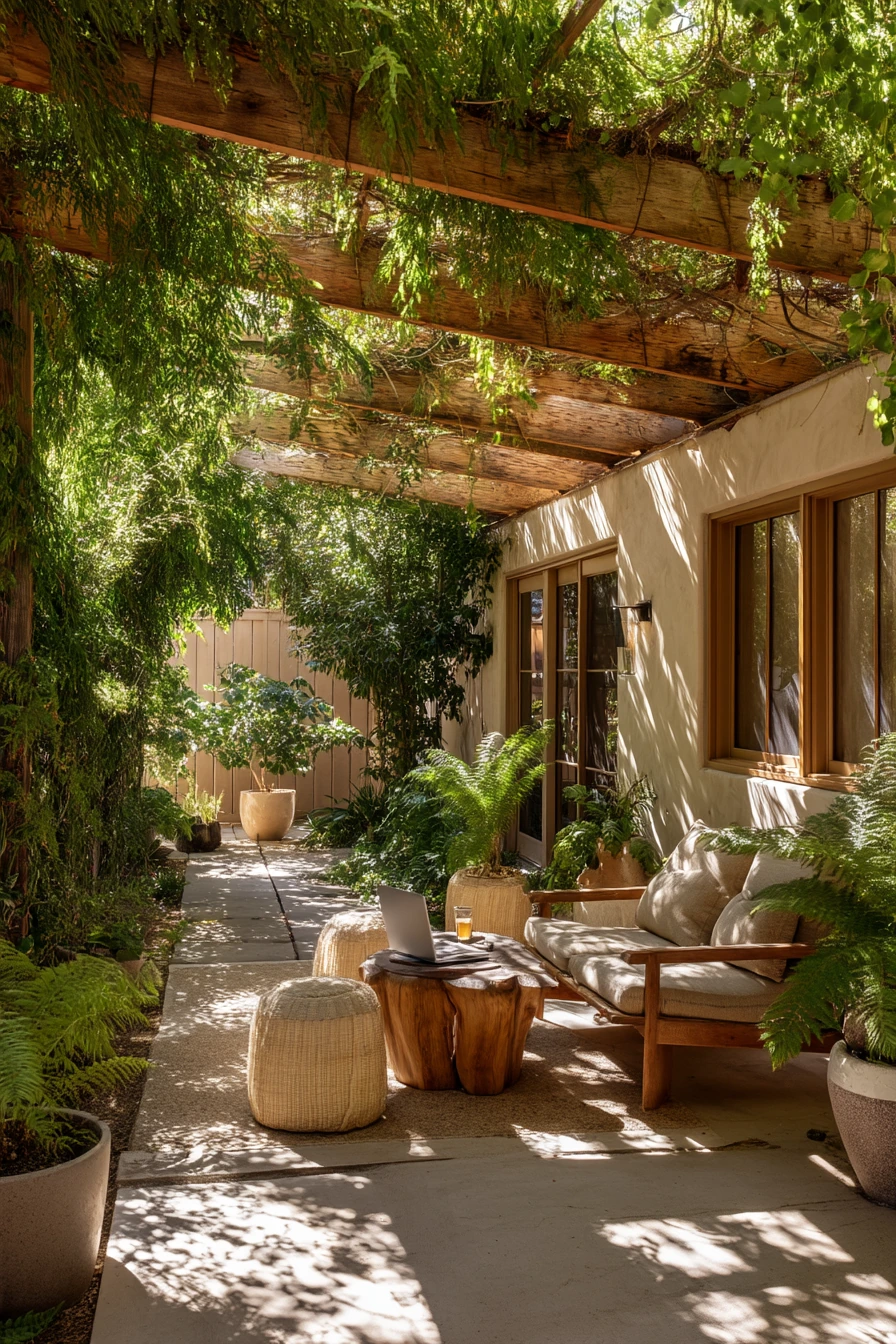
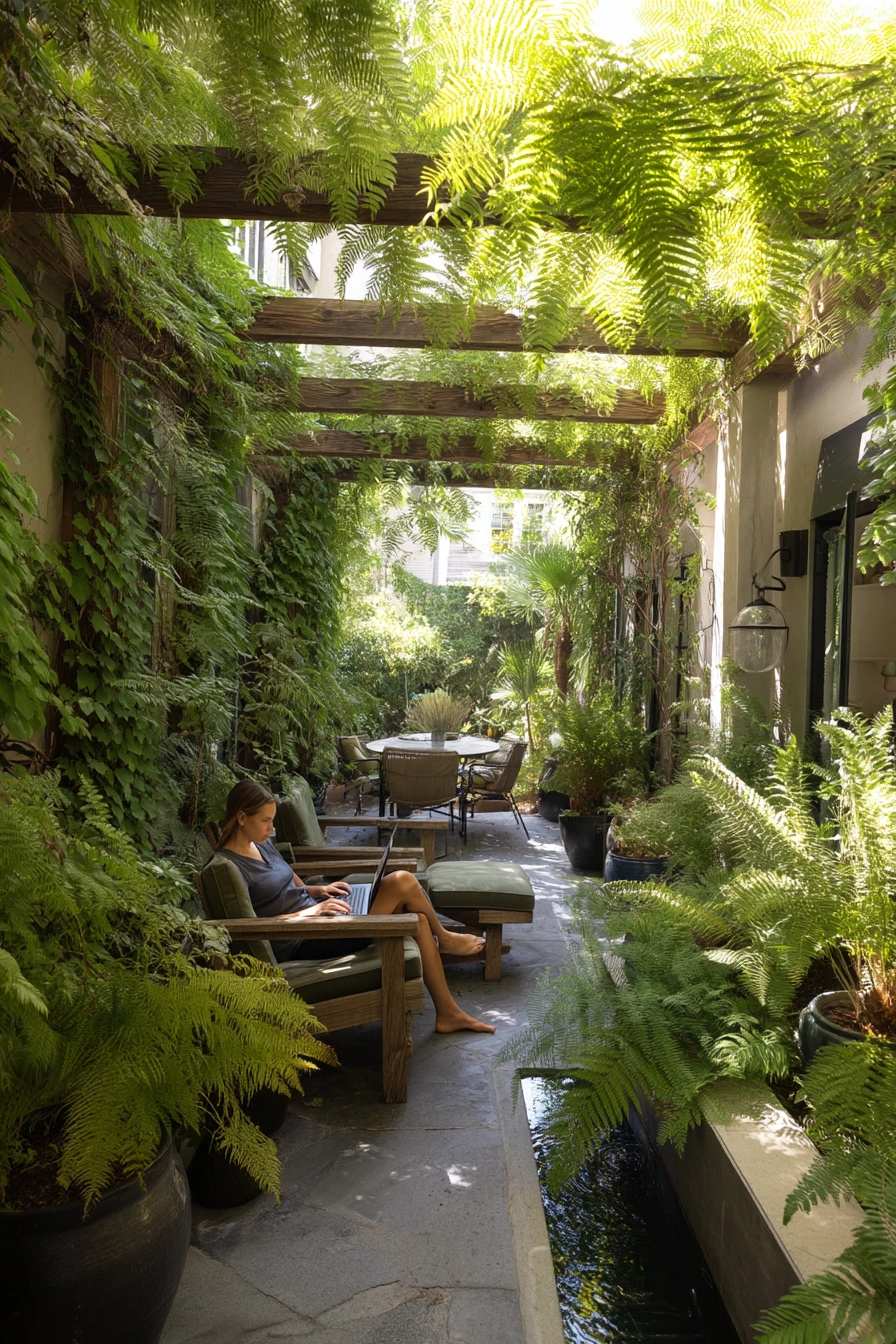
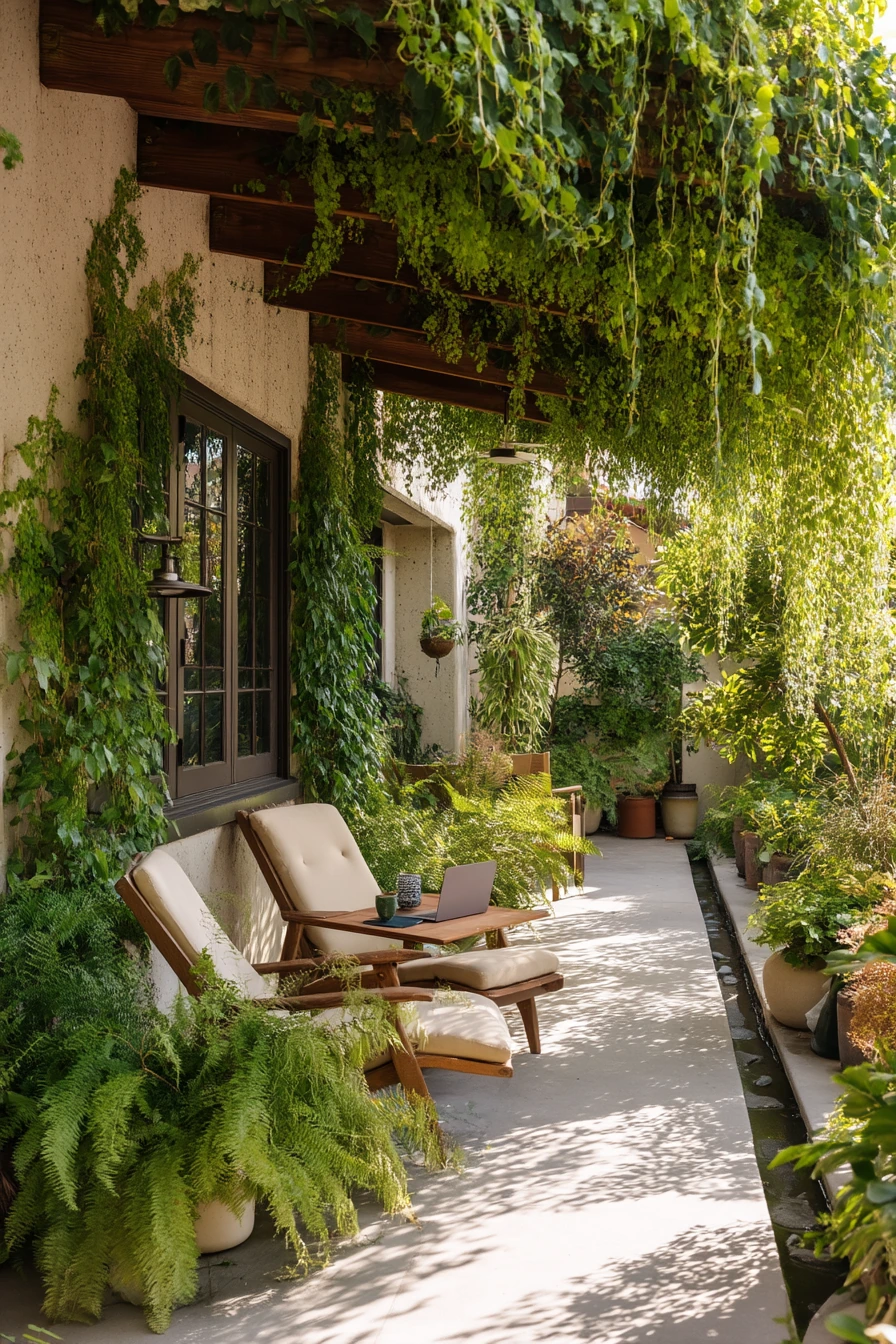
In hot weather, shade is the best garden upgrade you can make. A pergola draped in vines creates filtered light that feels cooler than full sun. Under it, place deep lounge chairs so you actually use the space during the day, not only at night.
Build the planting around a “cool” feeling. Ferny underplanting and leafy greens look soft and help the courtyard feel calm. Ceramic planters hold moisture better than thin plastic in many climates, and they add weight so pots do not tip in wind. A narrow rill of water can lower the feel of heat and adds steady sound.
To style it for real life, set up a small work-from-home spot outdoors. Keep a laptop, iced drink, notebook, and charging cable near the chair. Add a small side table for calls and notes. Choose outdoor fabrics in light colors so they do not feel hot. Make sure there is a path that stays clear so you can bring out drinks and move around without bumping pots.
- Train vines on the pergola for natural shade over time.
- Use ferns and shade plants to fill gaps under seating.
- Place the rill where it will not splash onto walkways.
- Add one small table for work and daily use.
- Pick chairs with washable covers for summer living.
Pro Design Tip: Combine overhead shade (pergola) with side shade (tall pots or screens) to block low afternoon sun.
Budget Considerations: Pergolas can be costly; a simple kit or a shade sail can create similar comfort for less.

9 Budget DIY Garden Refresh

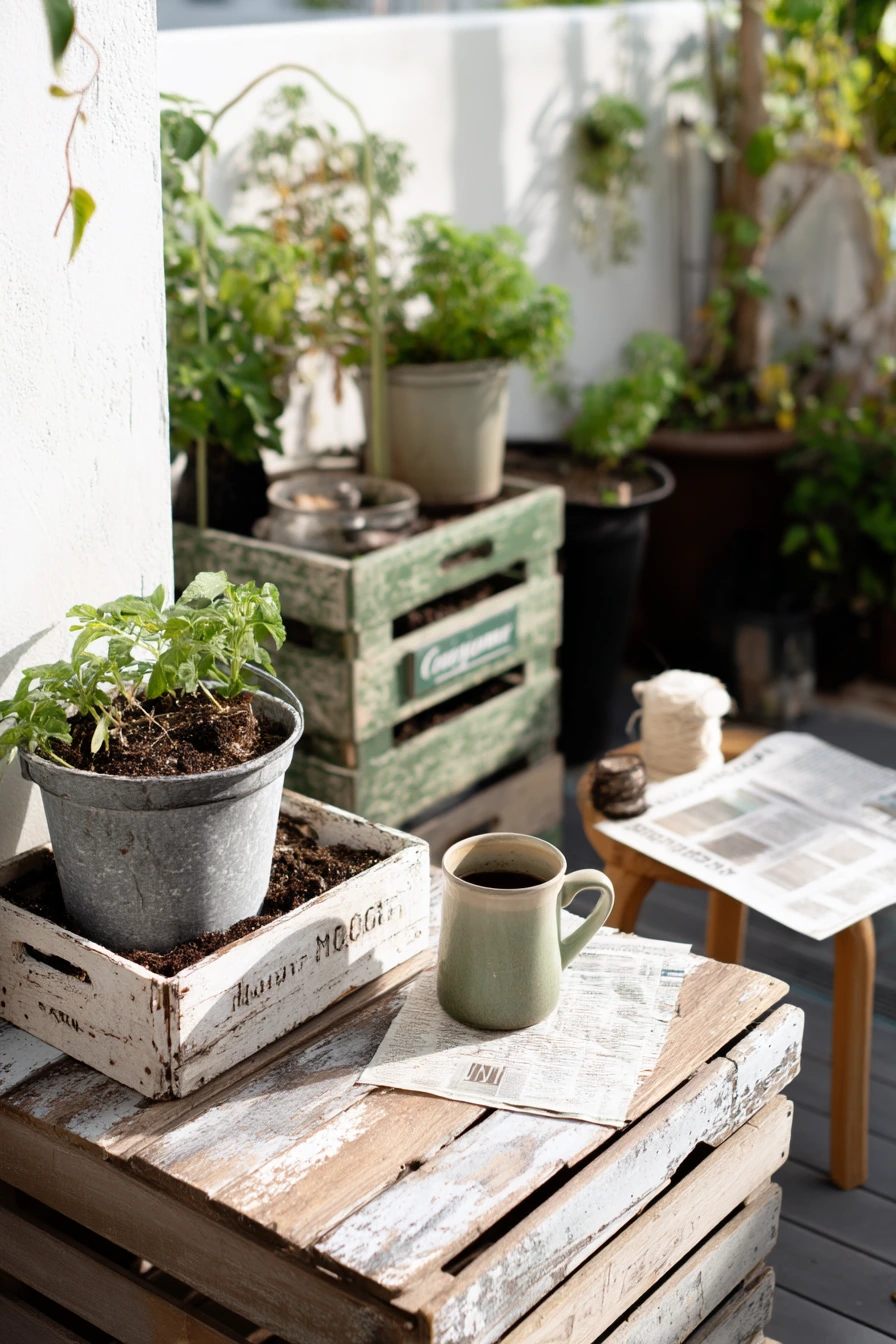
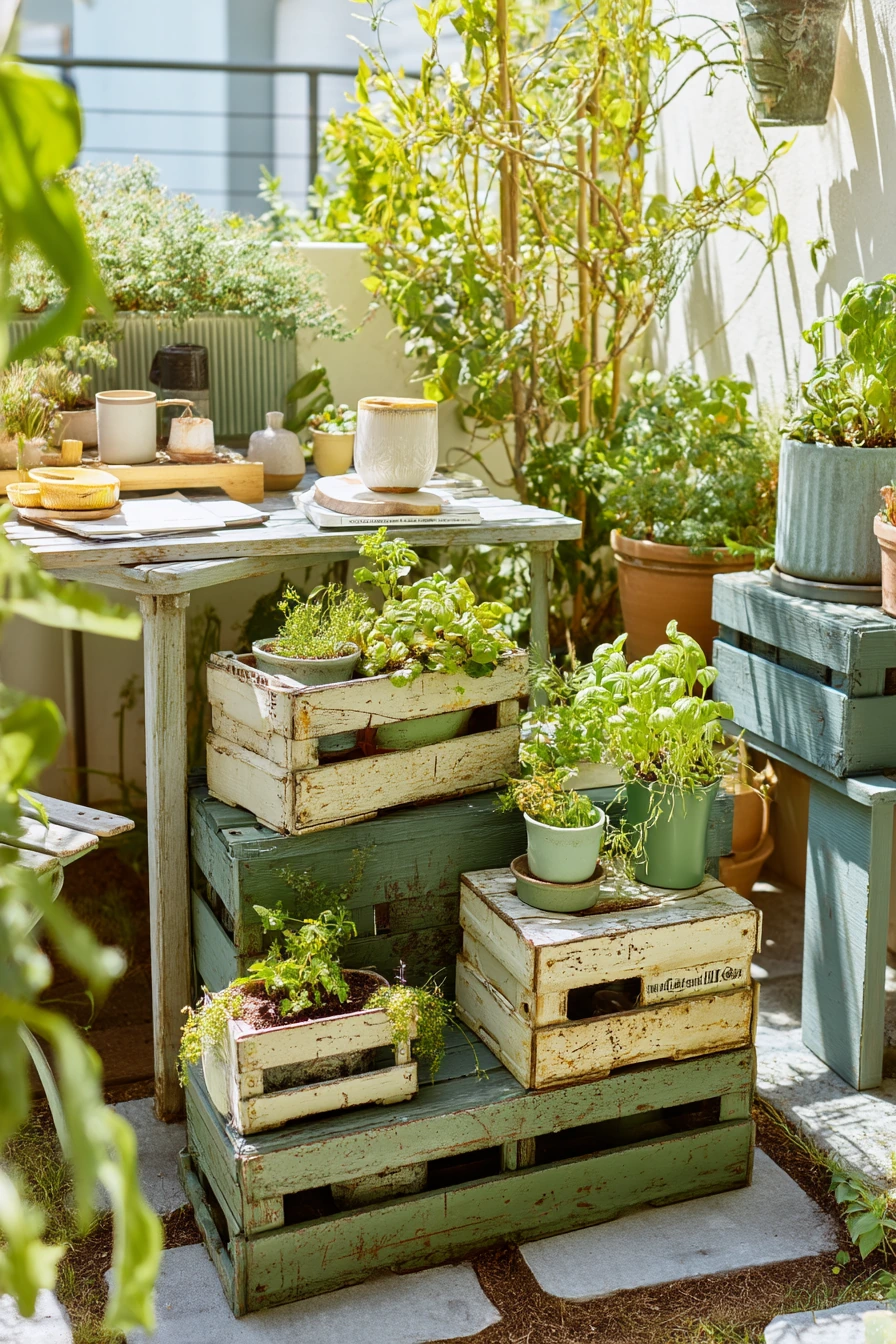
A budget DIY garden design works when you focus on quick wins and repeatable pieces. Start in one small corner so you can finish it in a weekend. Paint old planters to give them a fresh look, then use reused crates as plant stands to add height without buying new furniture.
Lay stepping stones to make the corner feel like a real destination, not just a storage spot. Add a simple compost bin to support the garden and cut waste. Mix salvaged materials with fresh greenery so the space feels clean and cared for, not messy.
To style the DIY corner, keep your tools and notes nearby. Folded instruction sheets on a small table, garden twine, and a tea mug on a crate make the space feel active and real. If there are paint specks on the terrace, that is normal for a working garden area. Choose a small color palette for painted pots, like two shades, so the corner looks planned. Then repeat one plant type, like a set of leafy herbs, to tie it together.
- Use exterior paint and seal it for longer-lasting planters.
- Set crates on bricks so they do not sit in wet soil.
- Space stepping stones for a comfortable stride.
- Keep compost close but slightly hidden behind tall pots.
- Choose fast-growing plants to see results quickly.
Pro Design Tip: Repeat the same pot color in at least three places so reused items look like a matching set.
Budget Considerations: Reuse what you have first; check local buy-nothing groups and salvage stores for pots, pavers, and crates.

10 Seasonal Autumn Garden Moment
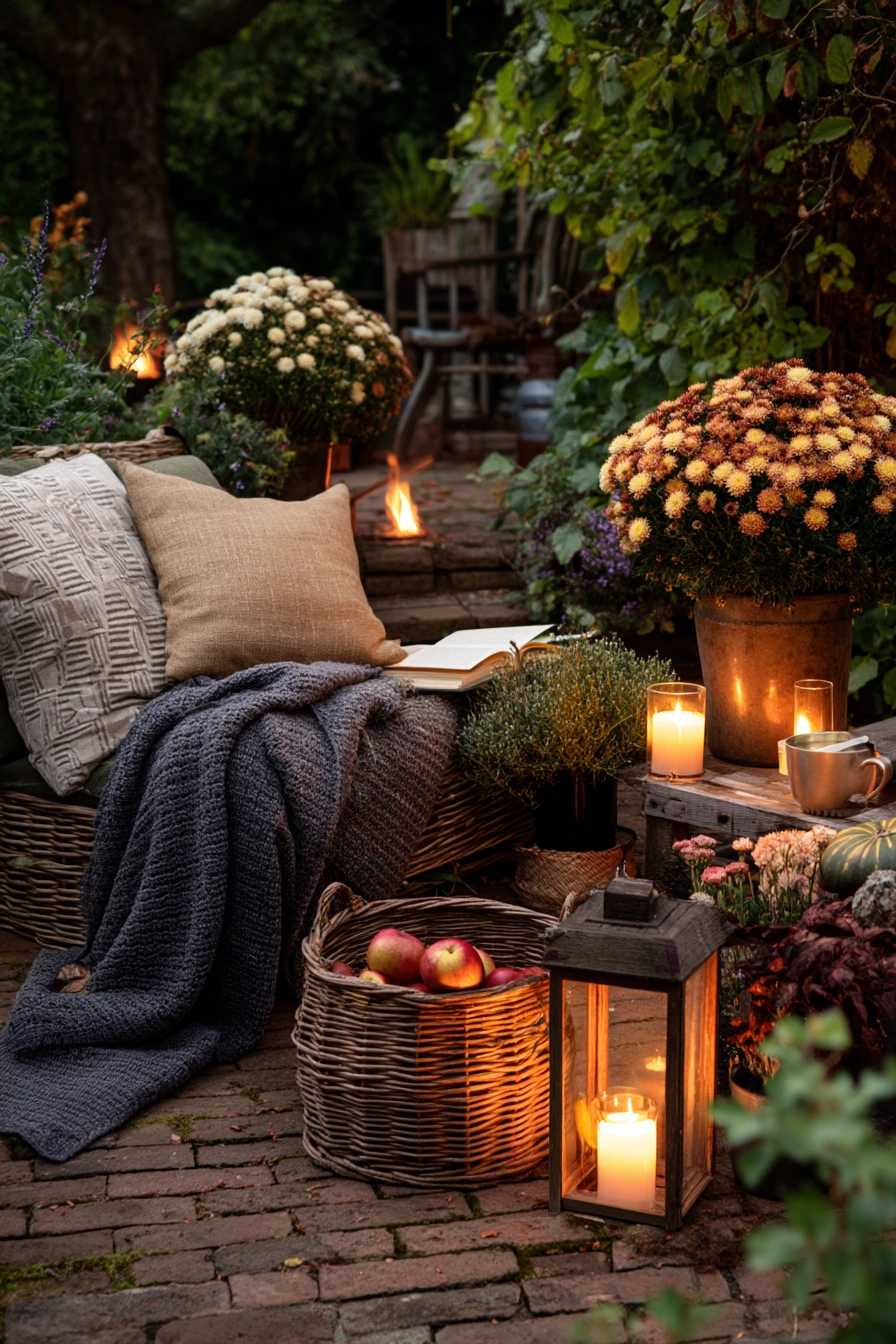

An autumn garden design is about warm color, soft light, and comfort as the days get shorter. Use chrysanthemums and ornamental kale for strong fall tones that last well in cool weather. Line a brick patio with lanterns so the space feels safe and inviting near dusk.
Set up a small fire pit area, even if it is simple. Keep cushions and a wool blanket close so you can sit outside longer. A woven basket of apples on the table adds a seasonal touch that also works as food. Muddy boots by the door are normal in fall, so add a mat or tray to catch dirt.
To style it, aim for a calm, end-of-day feel. A book on the chair and steam rising from a mug look natural because they match what people actually do. Gather cushions before night to protect them from dew, and store them in a bench or waterproof bin. Use one or two lantern styles for a clean look, and keep the rest of the decor simple so the plants stay the focus.
- Choose mums in two colors to avoid a busy look.
- Place lanterns along edges to guide walking paths.
- Use a basket for apples, blankets, or kindling.
- Keep a cushion storage plan for damp evenings.
- Add one small side table for mugs and books.
Pro Design Tip: Group fall containers in clusters near seating so the color reads strongly in low light.
Budget Considerations: Lanterns and cushions can add up; use a few key pieces and mix in candles in safe holders you already own.


Good garden design ideas start with a layout that fits real life, then add plants and details that match how you use the space. Small choices like gravel edging, raised beds, or a shade pergola can change how often you go outside.
Pick one section to copy first, then build in stages. As your garden grows, keep it practical with clear paths, easy care plants, and storage for the items you use every week.
FAQ
What is the easiest garden layout for beginners? A simple plan with one main path, two or three planting zones, and one seating spot is easiest to keep tidy and use daily.
How do I make a small courtyard feel bigger? Keep the center open, use slim seating, and repeat a few materials like gravel and terracotta to reduce visual clutter.
What are the best low-maintenance plants for a front yard? Native perennials, ornamental grasses, and drought-tolerant shrubs usually need less water and fewer replacements once established.
How can renters create privacy on a patio? Use tall pots, detachable trellis screens, and climbing plants in containers so everything can move with you later.
How do I make a backyard work for kids and adults? Keep a clear play area, add sturdy raised beds, and use stepping stones or borders so running paths stay out of planting areas.
What is a low-cost way to upgrade a garden fast? Paint old planters, reuse crates as stands, and add stepping stones. These changes improve the look without major construction.
How do I set up outdoor lighting for dining? Start with string lights for overall glow, then add lanterns or candles on tables for focused light where people eat and talk.